
Hello, I'm Jackie,
Historian, Psychologist, Linguist, Screenwriter, and
UX Specialist.
Looking for connections between all this knowledge to create innovative, whole, human experiences
Last project

History and UX?
Ok, this connection is not usually clear but, read me out. First and foremost, the study of Human experience is, in the end, the study of User Experience.
Furthermore, when you look at History through the lens of UX, you can see it has actually been there all along. Think of the Parthenon, in Athens. It was built with the explicit intention of making Athens look strong, rich, and powerful so it could become even stronger, richer, and more powerful (there’s your client brief). Architects, mathematicians, and other specialists worked in tandem to create THE building, the Parthenon, which would be the pinnacle of beauty expressed through architecture (there’s your UX design team). But, this building was not intended for itself, it was intended for people traveling toward Athens, so they would see how mighty and perfect it was, and so, its columns are not the same size, they are not even straight, they are made so that those traveling towards it will perceive them as such; if they had been made perfectly straight, then they would have looked crooked and wrong for the approaching Greeks (and that’s the proverbial user).
As you can see, we have been matching client expectations with users’ needs and perceptions for centuries. The Parthenon is just one example (which also makes for a lovely section cover, doesn’t it?), there are Gothic Cathedrals matching the Church’s desire to instill the fear of God in every visitor, there’s Disneyland and there are those terrible examples from mid-twentieth century we all know about. UX has been there all along, and I have been studying it, gaining insight and understanding of how it has been done, how it has worked, and how it could work in our brave new world.
Psychology and UX
Sans the question mark because this connection is, of course, clearer. Still, I thought I might take advantage of some lovely premade layouts here and explain the threefold way in which my master’s in psychology relates to UX capabilities.

Understanding of the human mind. (Getting the obvious one out of the way first). Through my master’s and personal readings I have gained insight and knowledge on what makes human minds tick. Biases, perception, memory, you name it, I’m into that and can bring it to the UX table.

Interviews and user research. A big part of my master’s focused on interviews, both focused on clinical analysis and other applications such as marketing. From these, I gained useful insights and experience into user research, interviews, and feedback sessions.

Team work! Besides regular classes, I took a four month curricular certificate in organizational psychology which, as you can probably guess, means besides my experience leading working teams, I also have an education on it, and, believe me, it comes in handy.
projects
Linguistics and Translation

This one’s also a no brainer, but I thought I might add a bit of my experience in Linguistics and Translation so as to not leave this very important aspect of my education out. Translation and Localization tend to be construed as two different things, but, as someone who has done work under both headlines, I can say they are both one and the same. Translation without adapting to the target audience is simply not professional translation. You have to know who will be reading or hearing your translation and adjust phrases, modisms and other forms of language of expression, even names and local characters. It requires wide knowledge of the reader, a.k.a, the user. Although I specialize on English/Spanish translations, I also have working knowledge with English, Italian, French and Portuguese. I have studied many more languages as you’ll see further a head (if you stick with me that long).
As for Linguistics, my Master’s is still in progress, but I already have plenty of knowledge and experience when it comes to language processing in the brain, how to compose sentences depending on objectives and goals, and that language can be understood even without words. Both come quite handy not only for UX writing, but for Reaearch and Design as well.
my principles
Can a screenwriting background help with UX?
In short: yes! But a longer answer would be: of course it does!
Let’s take advantage of the site’s resources again to explain:
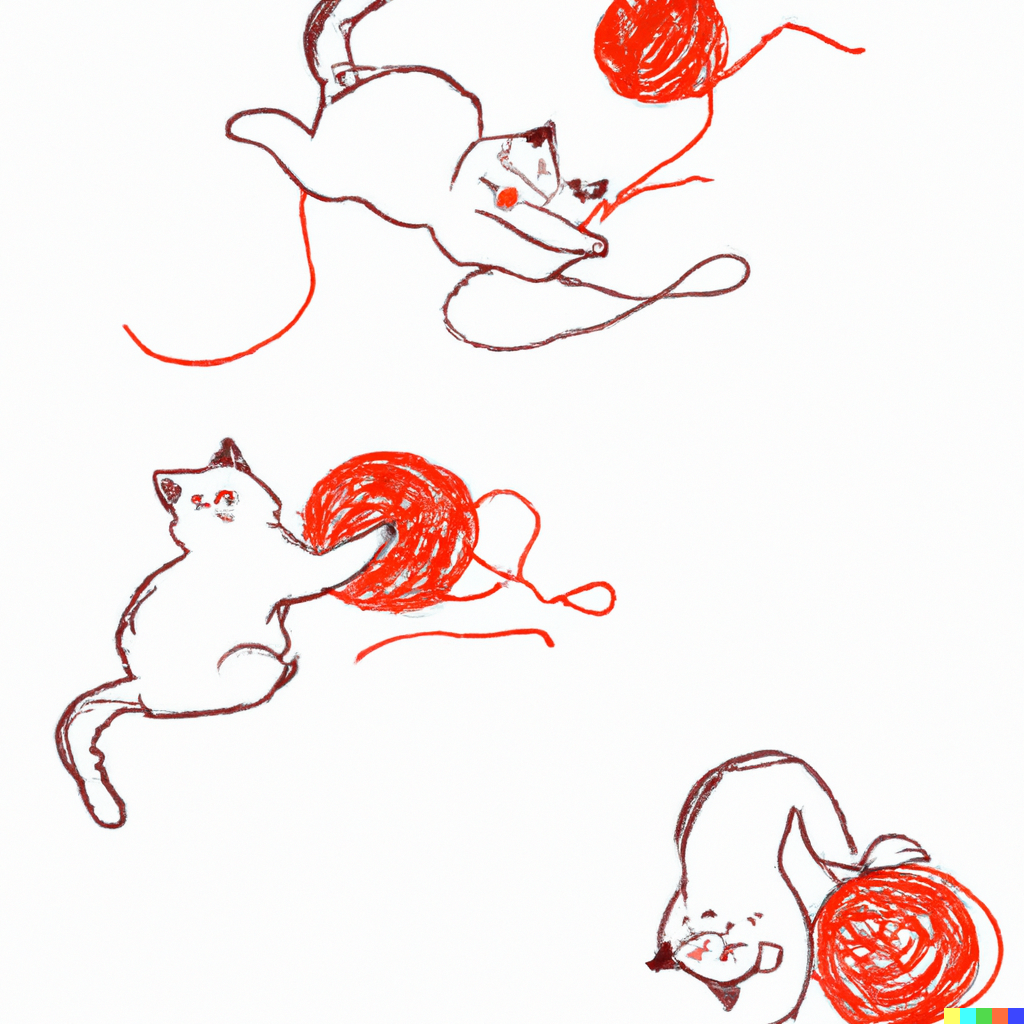
Narrative: You can’t screenwrite without an in-depth understanding of narrative. History-wise but also frame-wise. Quite handy when planning for UX
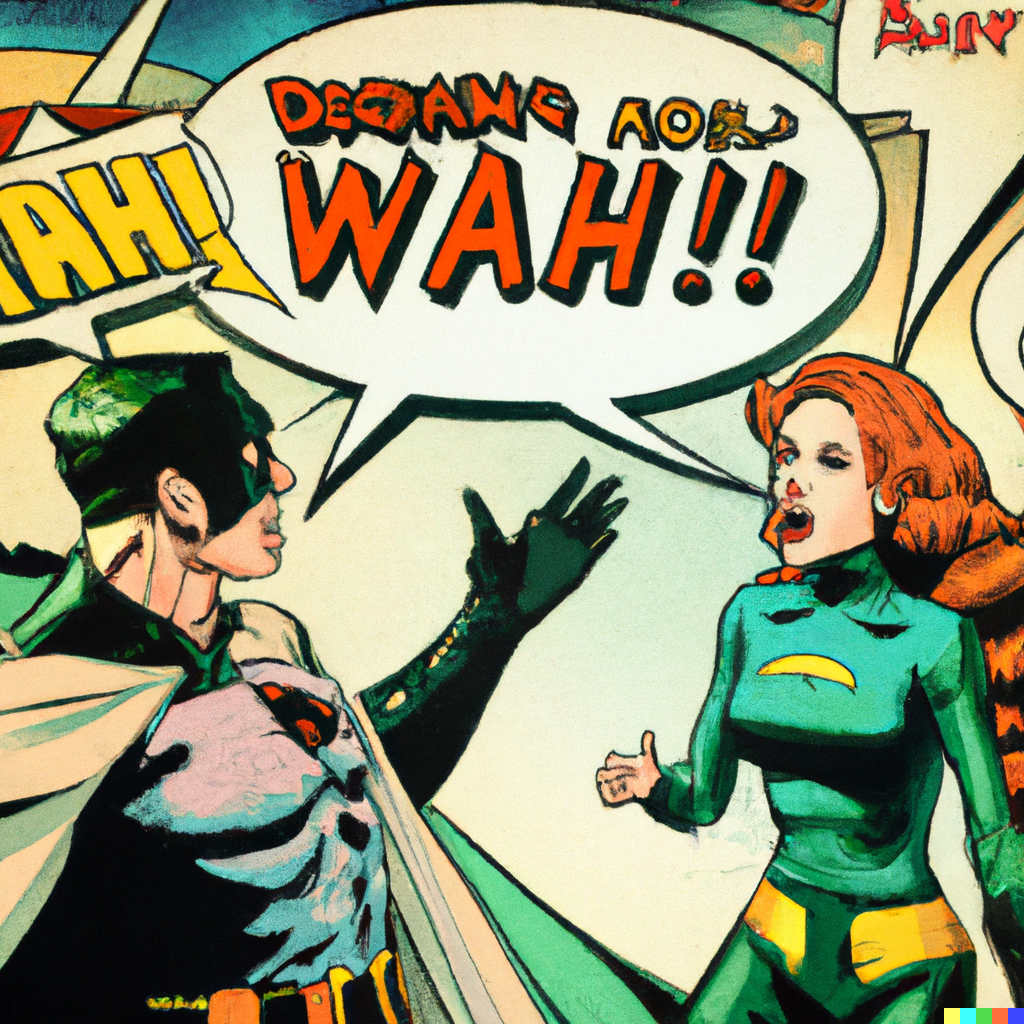
Voice: Each and every character on-screen needs to have a particular and consistent tone of voice. In UX, each and every product needs to have a particular tone of voice as well, and it has to be consistent or the experience breaks down.

Bibles: A somewhat underrated screenwriter skill is the ability to follow a bible to the letter. You need to be able to arrive at the project at any time and write consistent characters following an already established narrative. Yes, like in UX.
tools
biography
Experience
Writer
I’ve written a lot. Comedy Scripts for Eugenio Derbez, news for national television, branded articles for Cultura Colectiva, content for digital marketing, slogans, mailings, websites, and so on and so forth. It all started about about twelve years ago and it’s still going strong.
Translator
As mentioned before, I have plenty of experience translating/localizing content. Be it scientific articles or German traveling websites, I am prepared to translate, localize and adjust content depending on the audience.
Editor
As a magazine editor, I have worked with the selection of articles for translation depending on the local audience, selection of topics to follow, and networking to gain further collaborators.
Creative Strategist
This position has turned me into a jack(ie) of all trades. I do audience research, create briefs for the Creative team to follow, ensure consistency, follow up on insights, and come up with strategies based on client expectations and audience interests and needs.
UXer
As a UXer in form, I have also performed in many roles. From the research and detection of user needs for new products to the design of user journeys and products to writing every single screen, mailing, push notification, etc.
Currently as a UX Lead, I have been involved in the deeper sections of UX. Designing User Research studies from scratch (finding hypothesis from existing research and benchmarking); to leading the product creation based on findings and evaluating product usability after launch for maintenance.
I hae lead and worked with multinational teams overcoming different time zones and perceptions to create innovative, user centered products.

projects
1
PepsiCo
UX Consulting for new website
Archetype creation and Conversational Design for marketing interactions
2

Mailing Optimization Strategy
Mailing title optimization system design through psycholinguistic analysis
3

Sample Research
Preview of a research project from scratch to product design
4

GSK / Indegene
Chatbot Enhancement
5

Boehringer Ingelheim
UX Research
Brandwide website redesign
Location of user obstacles and solution proposal
Elaboration of mobile first design proposal for brandwide aplication
6

Bayer/Indegene
Mailing Audit
Mailing component template design
biography
tools

Figma

Maze
%2019.13.24.png)
Miro

Whimsical

Hotjar

Jira

Lemlist
.png)
Analytics
%2019.25.14.png)
contact
How does all of this come together?
From the macro observation of human experience in History to the micro observation of the mind and its processes in Psychology to the codification and decodification of messages in Linguistics, it all comes together to provide an integrated understanding of the human experience and its expectations, biases, inclinations, tendencies, and needs. This has made me a better writer, editor, translator, creative strategist, and, of course, UXer.
How does all of this help you?
Let's talk and find out ;)
follow me
contact
